Small masonry jobs
A small job has one drawback: setting up for it takes almost as long as for a big one. Travel, covering up, mixing material and cleaning happen every time. So it makes sense not to collect small jobs one by one but to put them on a single list and have them done in one visit.
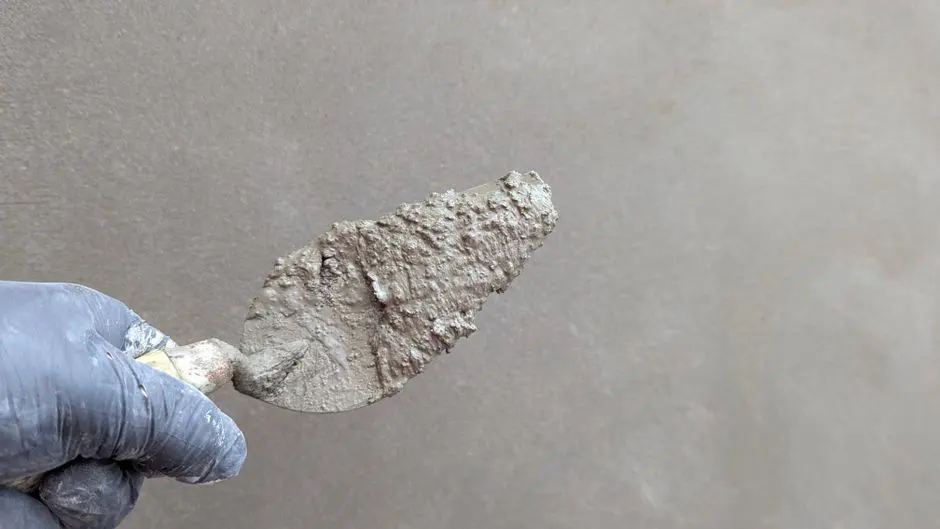
What usually fits into one visit
- Making good chases and boxes after the electrician or plumber.
- Repairing cracks, hollow spots and blown plaster over a small area.
- Repairing a damaged corner, fitting a corner bead, making good after a door frame is removed.
- Bricking up a small opening, a penetration or an old recess.
- Boxing in a bath, levelling a substrate for tiling, straightening a window board.
- Re-skimming a piece of wall that differs from the rest of the room.
Each of these is small on its own. Together they make a job worth planning and worth travelling for.
Why bundling small jobs pays
Masonry work has a fixed preparation regardless of size. Material is mixed in a minimum quantity and the rest cannot be kept for next time. The floor is covered the same whether one crack or ten is repaired. If a bricklayer comes three times a month for three different trifles, the preparation is paid for three times. Given a list, he works through it in one go.
The second reason is technical. Many small repairs belong together: making good a chase, re-skimming around it and then painting make sense in that order. Split across three visits, the result usually shows on the wall as a patchy surface.
What helps to prepare in advance
| What to prepare | Why it helps |
|---|---|
| A list of every spot, including the smallest | One visit instead of several, and a better estimate of time |
| Photos of each spot, a phone is fine | The bricklayer sees the scope and brings the right material |
| Clear access to the places being repaired | Furniture and belongings need not be moved during the work |
| What is going on top afterwards | A surface for paint, for tiling or for wallpaper is finished differently |
| Restrictions in the building, quiet hours, the lift | A realistic schedule instead of improvising on site |
Where a small job ends
The boundary is not in the price but in the structure. Once a crack runs across several walls or keeps coming back after repair, it is not about the surface but about movement in the structure and it calls for a proper assessment. The same goes for damp: a new layer will not stop it. And as soon as a load-bearing wall is to be touched, it is no longer a small job but the work described on Demolition and brickwork.
For a larger area or whole rooms, look rather at plaster and stucco. And what affects the price on both small and large jobs is summed up on What drives the price.
Other masonry work
Frequently asked questions
Will a bricklayer come out for a single crack?
It depends where it is and what can be combined with it. One small repair on its own tends to be uneconomic for both sides. If you have several spots, write them all into one enquiry and the job becomes worthwhile.
Can I make good small areas myself?
Technically yes, and over a small area under matt paint it often turns out fine. The difference shows over larger areas and under raking light, where a wave in the surface becomes visible. If tiling or gloss paint is going on top, a craftsman is the better bet.
Is cleaning up included?
Cleaning after the work is usually part of the job, but it is worth agreeing what exactly it covers. Covering furniture, a site vacuum and removing small waste are usually included; cleaning the whole flat is not.
Describe the job
No drawings or exact square metres needed. Write what should be done, what condition it is in now and when you would like it finished. We will ask about the rest.
- We pass the enquiry to a firm that does masonry work in your area.
- If we have no partner in your area, we say so straight away instead of leaving you waiting.
- Photos of the current state help the most. You can send them to [email protected].