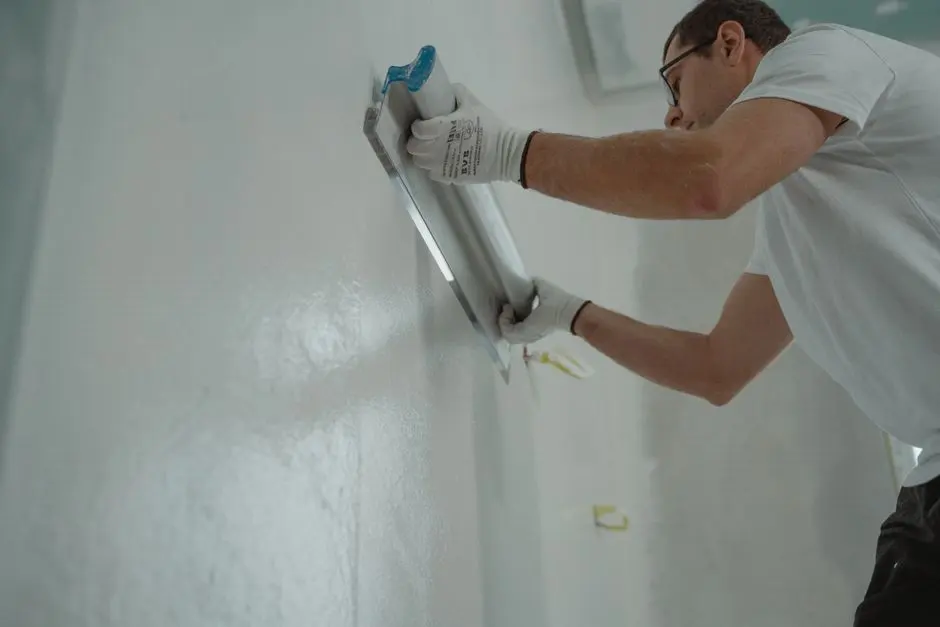
Plaster and stucco
Core plaster brings the wall true, stucco finishes it smooth for paint. Skim coats, repairs to blown areas and work after damp belong here too.
Read morePlaster and stucco, drywall and partitions, brickwork, demolition and small repairs. Describe what needs doing and what condition it is in. We pass the enquiry to a masonry firm that works in your area. If we have no partner there, we tell you straight away instead of leaving you waiting.
Masonry work is not one activity but a sequence of stages. Each sets the conditions for the next, and some things are hard to change once it is past. This is the order usually followed in a flat.
Partitions, old tiling, door frames and floors come out. Only now do you see what is under the plaster and what shape the services are in.
Hard to undo: a load-bearing wall. If it is not clear what carries the structure, this calls for a structural engineer, not a hammer.
The new layout goes up, openings are bricked up, lintels are set. Drywall can come later, a masonry partition cannot.
Hard to undo: door positions and room widths. Moving a finished partition means demolition all over again.
The electrician and plumber cut chases, new cabling goes in, boxes and waste pipes are set.
Hard to undo: the route of the services. After plastering, a chase is cut into a finished wall and the repair shows.
Walls are brought true, the floor gets its screed. The material then needs time to cure, and the schedule has to allow for it.
Hard to undo: how true the walls are and the floor level. Both decide how tiling, the kitchen and the doors will sit.
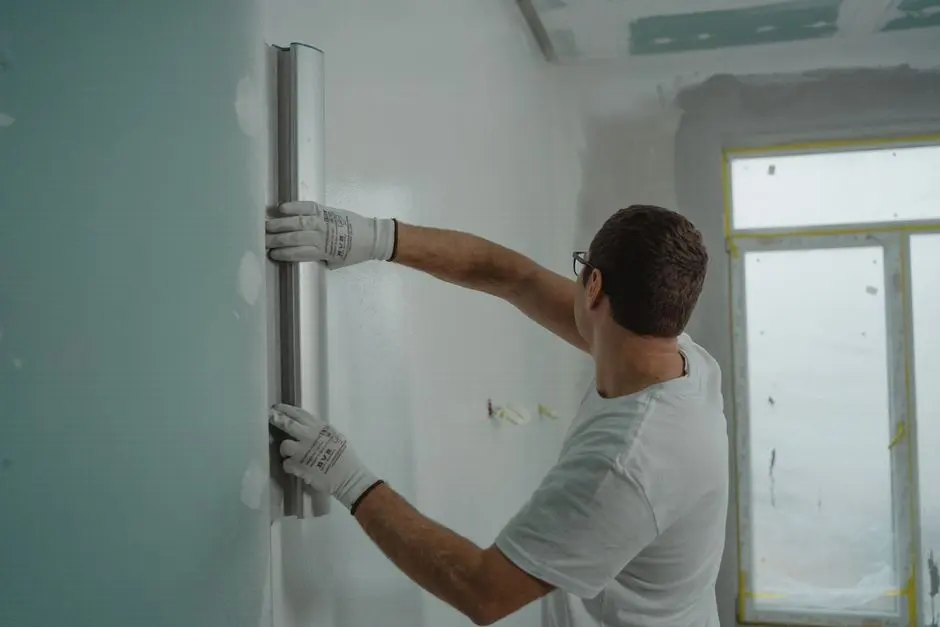
The surface is finished ready for paint. This is where the quality of the previous stage shows up.
Hard to undo: smoothness under raking light. It can be skimmed again, but that means more sanding and more dust.
Wall tiles, floor tiles and floating floors go down, now working to finished levels.
Hard to undo: the tile layout and the floor level at the doorway. Once it is bonded, only demolition changes it.
The last layer. The masonry is done and repairs here are only local.
Hard to undo: nothing major, which is exactly why nothing that belonged in an earlier stage should be hidden here.
From levelling a single wall to full masonry work during a flat renovation.
Core plaster brings the wall true, stucco finishes it smooth for paint. Skim coats, repairs to blown areas and work after damp belong here too.
Read more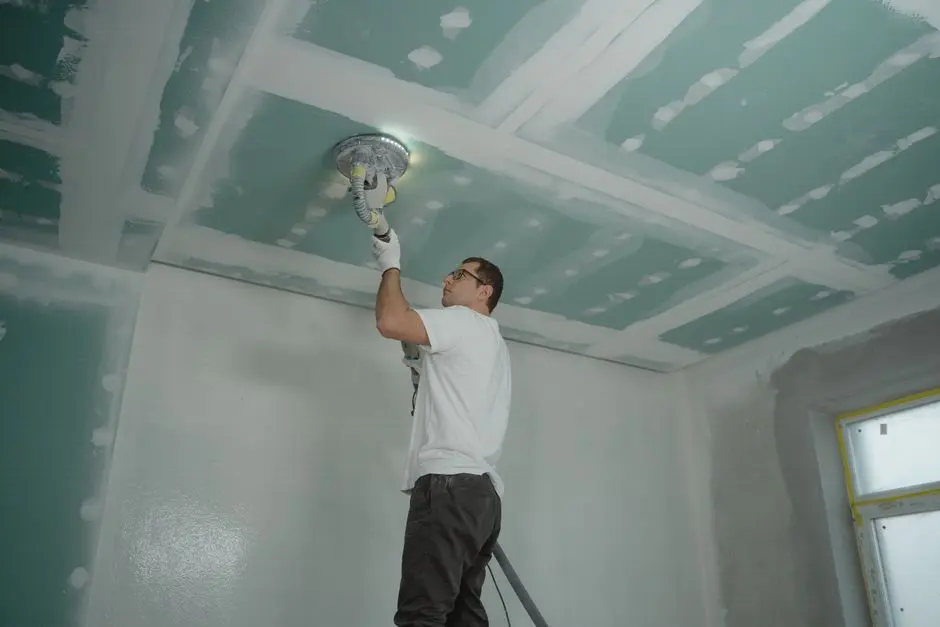
A new layout, a suspended ceiling, a service wall or a masonry partition block. The difference between drywall and masonry shows years later, in sound and in fixings.
Read more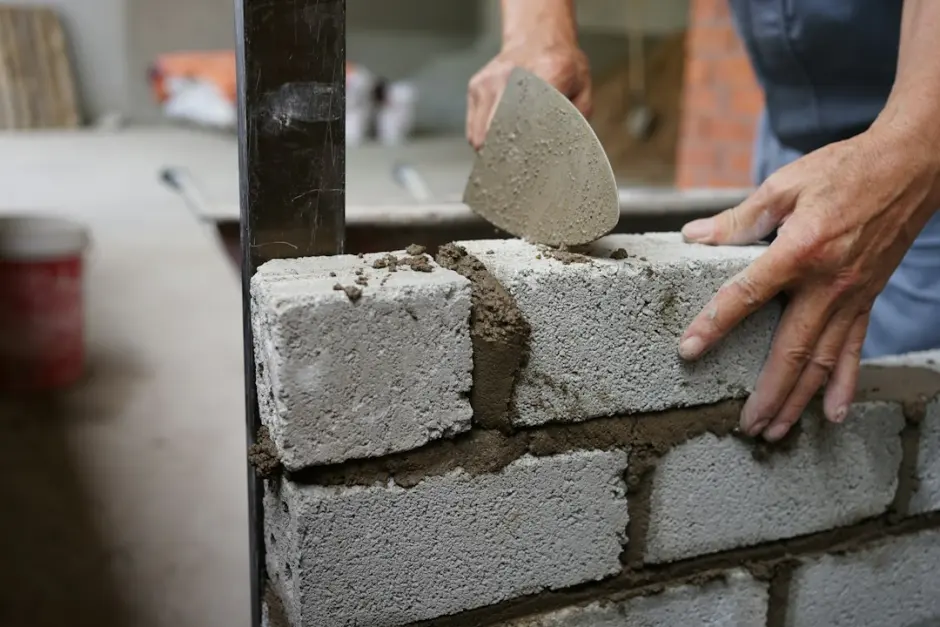
Taking out a partition, bricking up an opening, a new lintel, filling in after services. What is load-bearing is decided by an engineer, not by the crew on site.
Read more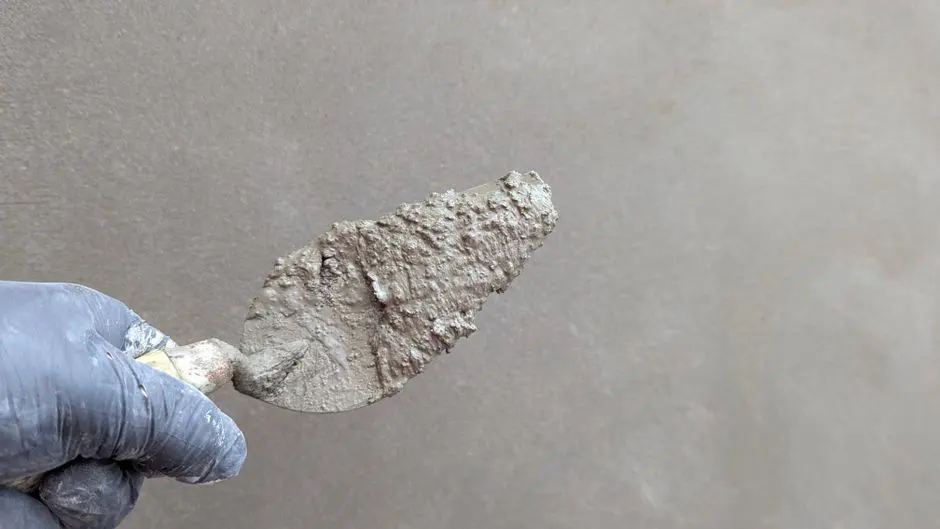
Making good after the electrician, a crack, a damaged corner, boxing in a bath. Each is a trifle, together they add up to one visit that makes sense.
Read more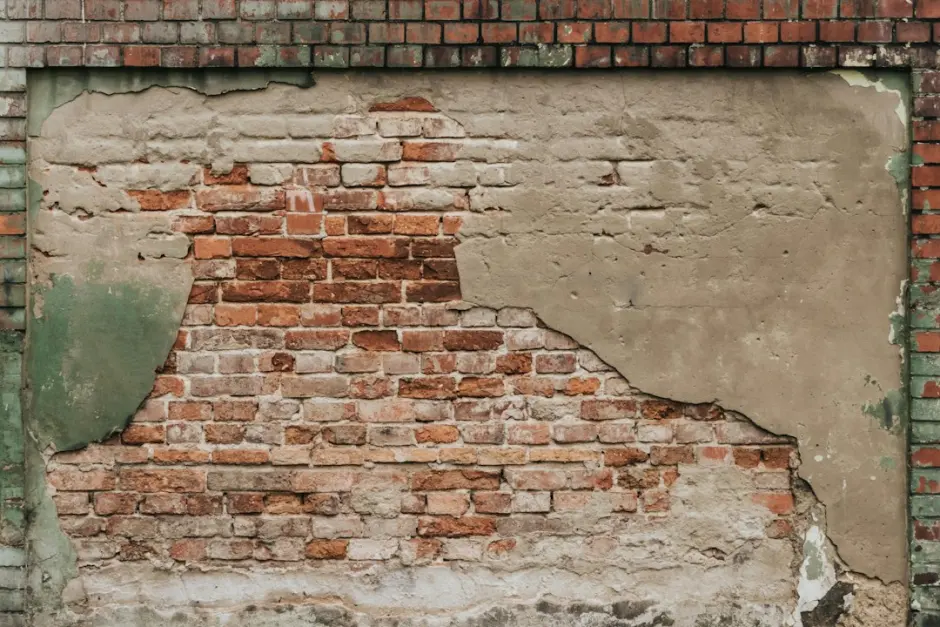
A price list alone will not answer it, because the same area costs a different amount every time. Here is what pushes the price up and down, without numbers.
Read moreA price list here would not answer your question, because the same area works out differently every time. These are the parameters a bricklayer asks about during a site visit. The more of them you mention in your enquiry, the more accurate an answer you get.
A few sentences and, if possible, photos of the current state. No drawings or exact measurements needed.
We ask by message about scope, access and timing so the bricklayer knows what is involved.
The enquiry goes to a firm that does masonry work in your area. The quote comes from them, after a site visit.
The honest answer is that it cannot be said from a distance. The same area works out differently every time depending on the condition of the substrate, access to the site, the scope and who supplies the material. That is why you will find no price list here. What actually moves the price is set out on What drives the price, and a specific figure comes from the bricklayer after a site visit.
It is the rate for the labour alone, without the cost of plaster, mortar, boards or profiles. It usually excludes transport, scaffolding, protective covering, waste removal and often making good after other trades. Comparing two quotes only makes sense when both contain the same items.
It depends mainly on how many stages there are and how often you have to wait for material to cure. Plastering itself is quick, but time passes before anything may go on top of it. After a site visit the bricklayer will tell you how many days are actually worked and how many are spent waiting.
For ordinary maintenance and replacing surfaces, usually not. As soon as the load-bearing structure is affected, the layout in an apartment building changes or an opening is cut into a load-bearing wall, a structural engineer's assessment and usually a building authority permit under Building Act 283/2021 Coll. are needed, often together with the consent of the building owner or the owners' association. Check your specific duty with your building authority, a general rule is not enough here.
It is, and often most of all when bundled. One visit that makes good after the electrician, repairs a corner and re-skims a piece of wall is more efficient than three separate call-outs. Write down everything on your list at once.
What needs doing, what condition it is in now, the rough area or number of rooms, the town and your idea of timing. Photos help most, even from a phone. We will fill in the rest by message.
No drawings or exact square metres needed. Write what should be done, what condition it is in now and when you would like it finished. We will ask about the rest.